DISC is a personal assessment tool
used by more than one million people every year to help improve teamwork, communication, and productivity in the workplace.
A Common Language
The Everything DISC model provides a common language people can use to better understand themselves and those they interact with—and then use this knowledge to reduce conflict and improve working relationships.
How does DISC work?
The DISC journey starts with a simple test. You take a short personality assessment to determine where you “fit” into the four main personality reference points and how inclined you are to those styles.
What does DISC mean?
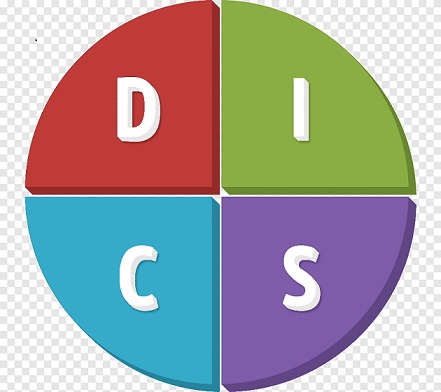
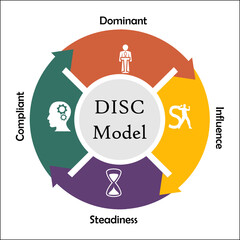
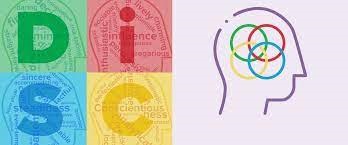
DISC is an acronym that stands for the four main personality profiles described in the DiSC model: (D)ominance, (I)nfluence, (S)teadiness and (C)onscientiousness.
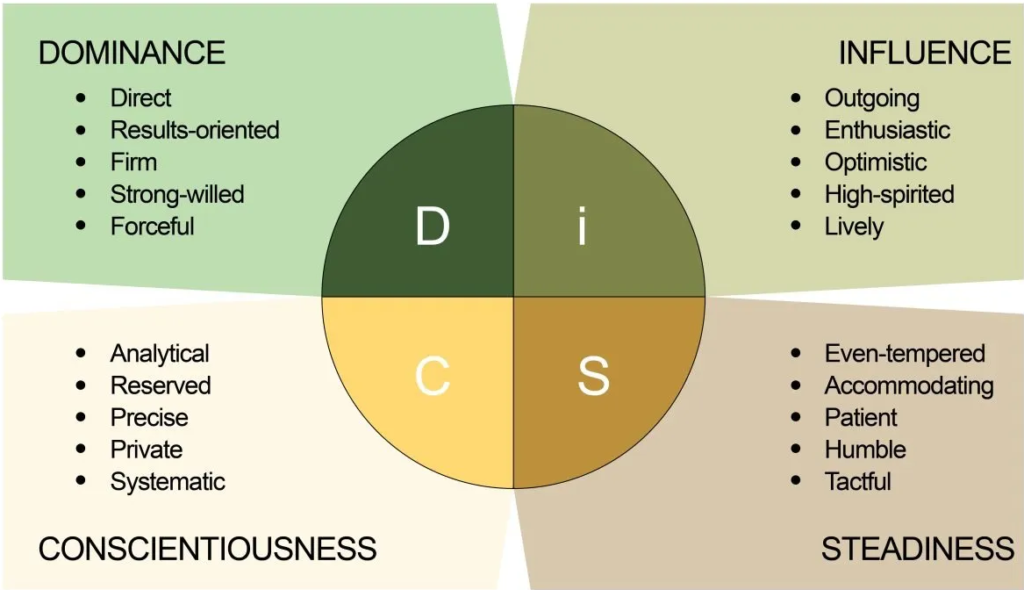
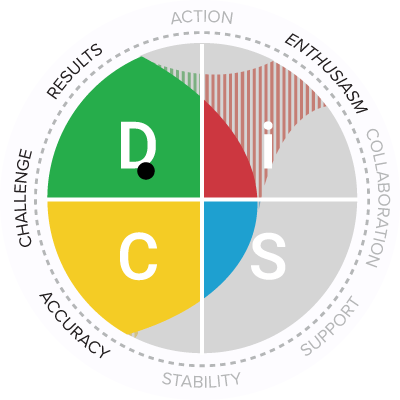
People with D personalities tend to be confident and place an emphasis on accomplishing bottom-line results.
People with I personalities tend to be more open and place an emphasis on relationships and influencing or persuading others.
People with S personalities tend to be dependable and place the emphasis on cooperation and sincerity.
People with C personalities tend to place the emphasis on quality, accuracy, expertise, and competency.
Everything DISC also measures priorities (the words around the circle), providing more nuanced and memorable feedback in profiles.
Who created the DISC profile?
he DISC model of behavior was originally proposed by William Moulton Marston, a physiological psychologist with a Ph.D. from Harvard. His 1928 book, Emotions of Normal People, established the theories that were later expanded by many others.